The Story of a Stick
It begins with a walk.
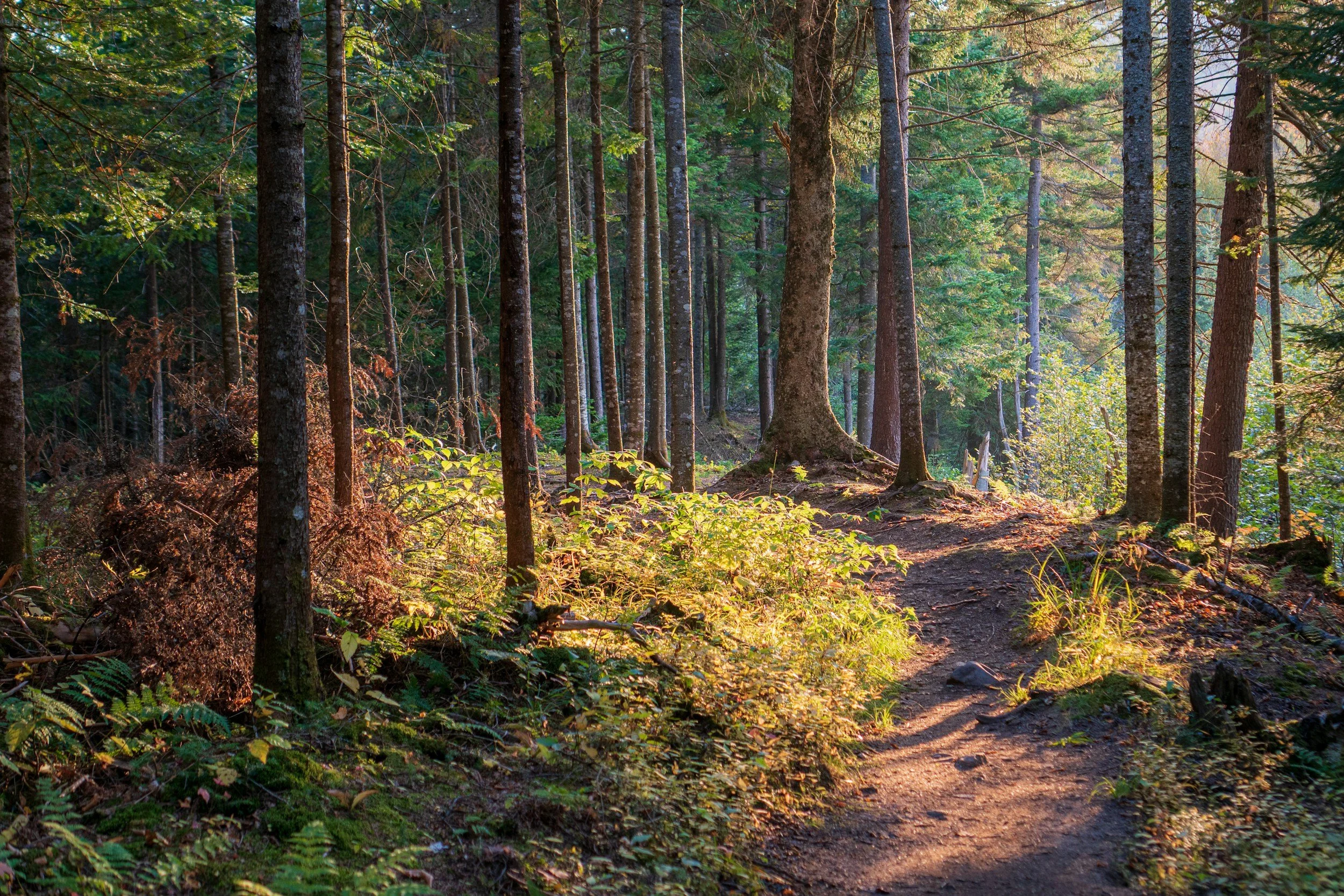
Not always a purposeful one, but the search is always there. It’s a quiet awareness that brings me closer to the landscape born out of childhood walks with my parents who fostered an interest in nature and creativity.
Over the years my love of the outdoors remained, but only after spending much of my adult life in troubled parts of the world did I really begin to appreciate it. After returning from every overseas adventure, I fell more and more in love with the quiet countryside of England, despite the contemporary pressures it faces.
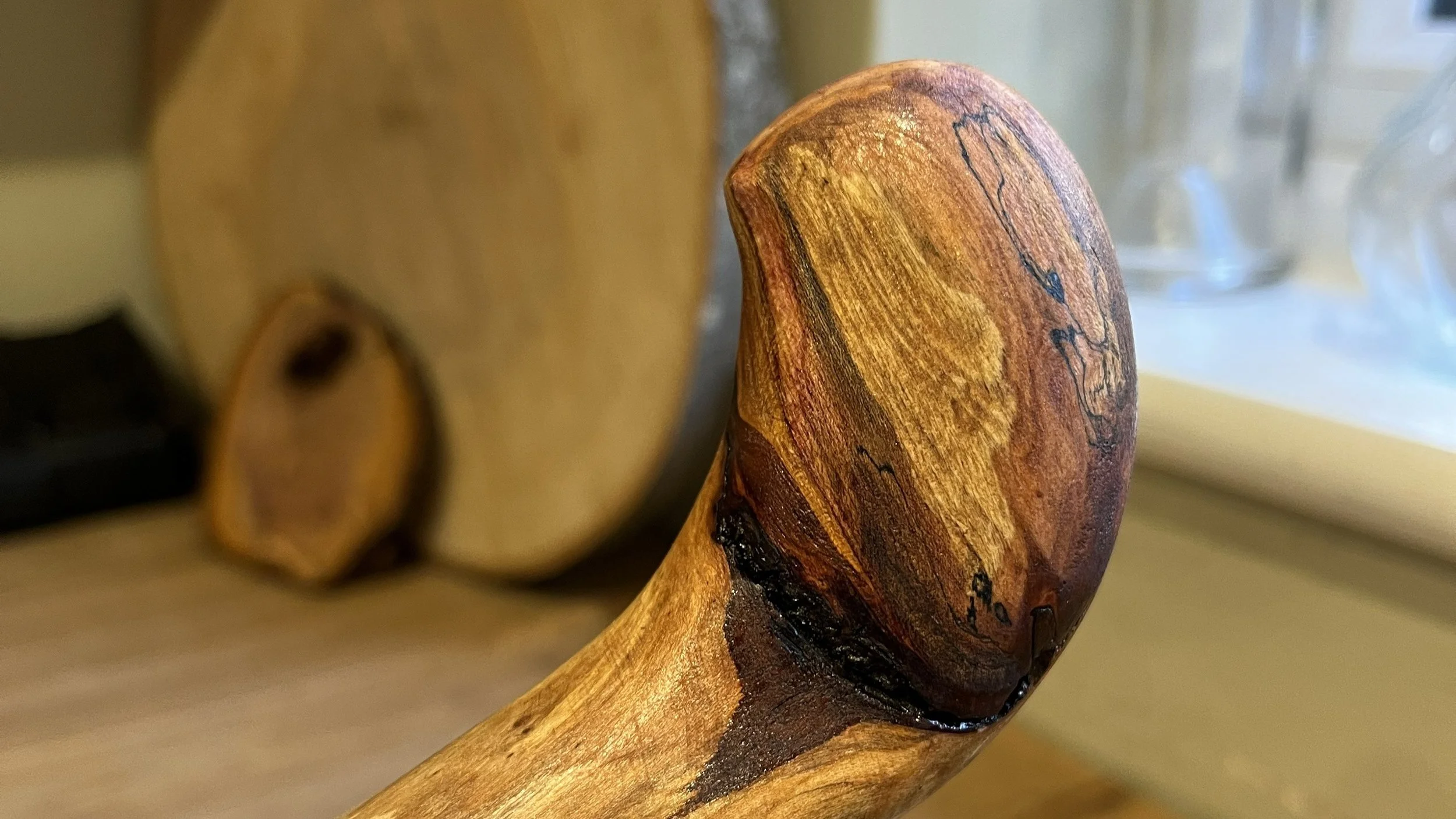
A good stick isn’t just useful, it has presence that stands out among the rest; a gnarled twist of blackthorn, a sturdy stave of ash or an elegant curve of yew. When I find something with potential, I bring it home to the workshop, where the journey continues.
Sometimes the wood needs to wait and dry out, other times it’s already dry and well seasoned having come from a fallen tree.
I don’t try to force it into a shape, knots, bends, grain patterns guide the design. Sometimes the path is obvious. Other times it takes a bit of trial and error and I often get it wrong.
Once I’ve settled on the shape, I test how it feels in the hand. A walking stick needs to be comfortable, balanced, and practical. I make small adjustments until it feels right. Knowing when to stop is usually the hardest part.
Then comes the finish. Some sticks require paint or varnish to supplement the natural look, others are best kept wild with bark and a simple oil or wax. I try to choose what brings out the best in the wood.
Each stick is different. Each one has its own story.